After thirty-odd years on the tools in the South West, we’ve lost count of the number of homeowners who’ve asked us some version of the same question: “If I’m going to spend the money, what actually adds value?”
It’s a fair question – and the honest answer isn’t always what people expect.
Ultimately, it usually comes down to three things: whether the upgrade solves a problem buyers care about, whether the quality of work holds up under a surveyor’s eye, and whether the finish result feels right for the property and the area.
In this guide, we’ll walk you through the renovations we see genuinely add value in 2026 – and the ones we’d think twice about.
How Renovation Value is Actually Measured
When people talk about a home renovation “adding value”, they usually mean one of two things – and the distinction matters more than you might think.
- Sale Price Uplift
The first is sale price uplift – what a buyer or surveyor will actually pay extra for once the work is done. It’s largely driven by comparables – what similar properties in your postcode have recently sold for – and it has a ceiling.
You can pour £80,000 into a three-bed semi, but if the best sold price on your street this year was £340,000, that’s the glass you’re bumping up against.
- Liveability Value
The second is liveability value – how much the renovation improves your day-to-day life in the house. A new kitchen, more storage, a proper home office – these change how it feels to live somewhere, even if the financial return is modest. For homeowners planning on staying put for another decade, this is often the bigger reward.
Surveyors and estate agents aren’t valuing your taste – they’re valuing what the next buyer is likely to want. That’s why some upgrades consistently move the needle on house price and others don’t, however lovely they might look.
There are a few things that tend to carry the most weight in a UK valuation:
- Extra usable square footage – particularly bedrooms and bathrooms, which directly affect the property brand.
- Energy efficiency ratings – as of 2026, EPC bands are increasingly scrutinised by buyers and lenders alike, and homes below a C band are starting to sell at a measurable discount in some areas.
- Condition and finish quality – a well-executed renovation reassures surveyors; a cheap-looking one raises questions about what else might be hiding.
- Planning and building regs paperwork – if you can’t produce it, buyers’ solicitors will flag it, and that stalls or kills sales.
Get these right and most upgrades take care of themselves. Get them wrong – skip the paperwork, overcapitalise, or chase a trend – and the cheque you wrote can end up larger than the value you added.
Renovations That Add the Most Value in 2026
Below are the upgrades we tend to see deliver the most consistent return for homeowners across Somerset and the wider South West.
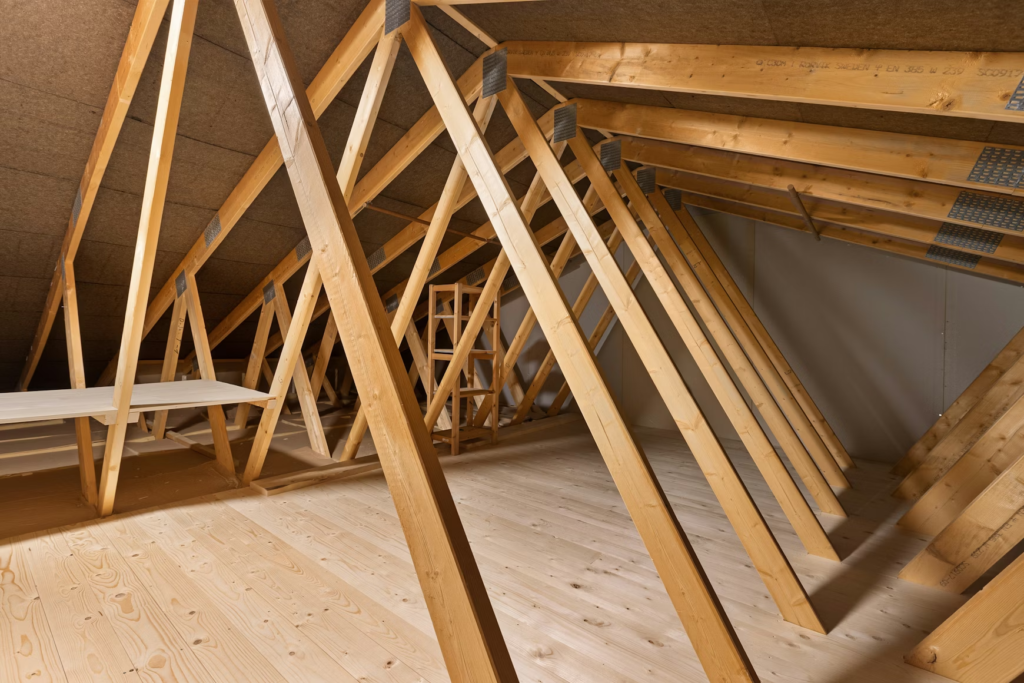
Loft Conversions
If there’s one renovation project we’d point to as the most reliable return on investment, it’s a loft conversion. The reason is simple: you’re adding a full bedroom (and often an en-suite) without losing a square foot of garden.
According to Nationwide’s 2025 research, a loft conversion can add up to 24% to the value of a property – particularly when it creates a double bedroom with a bathroom, taking a three-bed, one-bath house to four-bed, two-bath. That’s a jump that often crosses a pricing bracket rather than nudging within one, which is why it tends to outperform other upgrades pound for pound.
What a loft conversion typically costs:
- Velux (rooflight): £30,000-£45,000
- Dormer: £50,000-£75,000 (most common choice in the UK)
- Hip-to-gable: £55,000-£80,000
- Mansard: £65,000-£100,000+
*Figures are for England outside London; London projects typically run 25–40% higher.
Realistic Value Uplift: 10–20% on market value, rising to 20%+ when you’re adding both a bedroom and bathroom to a home short on both.
BCY Note: Check your head height first. Building Regs require 2.2m at the highest point of the existing roof for a conversion to be viable without major structural work. Below that, costs climb quickly – you’re either raising the roof or going mansard.
Most loft conversions fall under Permitted Development, but you’ll still need Building Regs sign-off. Keep the certificate on file for when you sell.
Kitchen Renovations
Ask any UK estate agent which room sells a house, and they’ll almost always name the kitchen. It’s where buyers linger during viewings, and it’s the space most likely to shape their first impression. A well-done kitchen renovation can lift value; a tired or cramped one can actively cost you a sale.
Estate agents consistently rank the kitchen as the most influential room in valuations, with the Royal Institute of Chartered Surveyors (RICS) estimating an average uplift of 4%.
What a kitchen renovation typically costs:
- Budget refresh (same layout, mid-range units, laminate worktops): £6,000–£10,000
- Mid-range fitted kitchen (quartz worktops, integrated appliances, minor layout tweaks): £12,000–£25,000
- High-end bespoke kitchen (handmade cabinetry, stone worktops, premium appliances): £30,000–£60,000+
- Kitchen-diner with structural work (wall removal, bifolds, or extension): £50,000–£100,000+
Realistic Value Uplift: 4-10% on market value, with the upper end more likely when you’ve improved the layout as well as the finish.
BCY Note: Kitchens are one of the easiest upgrades to overspend on. We’d recommend spending no more than 5–8% of your property’s value if resale is anywhere in your thinking. A £40,000 kitchen in a £230,000 house is money you’ll never see again. A £12,000 kitchen in the same house, done thoughtfully, will probably return its cost and then some.
Side and Rear Extensions
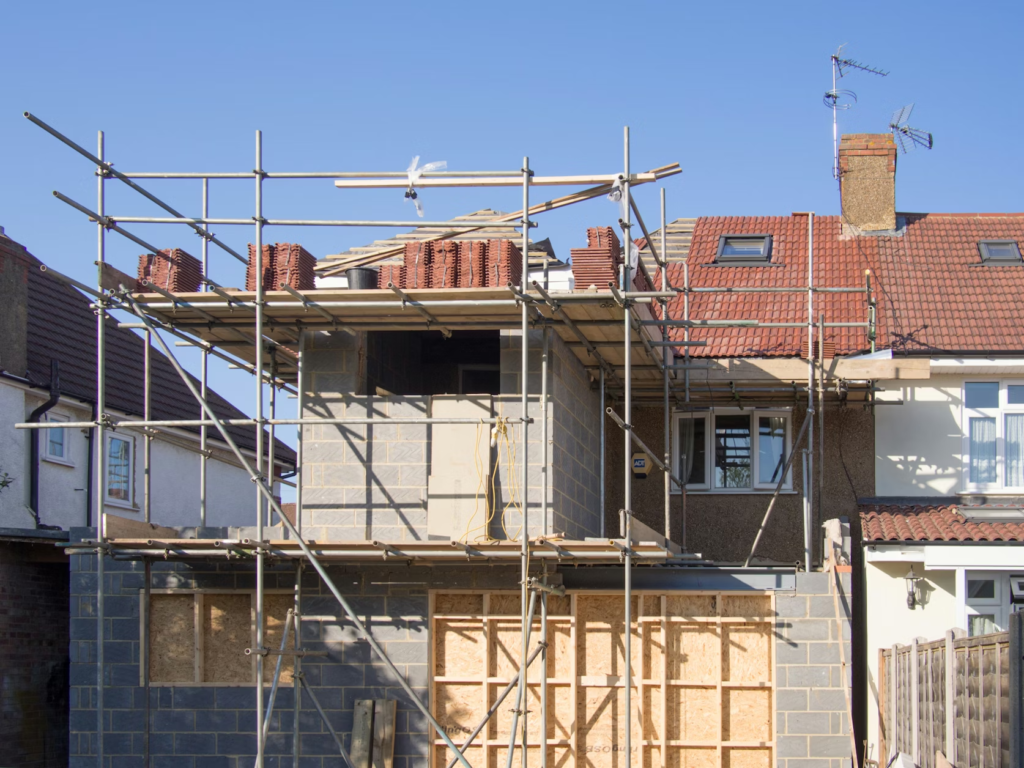
When you’ve outgrown your house but don’t want to move, an extension is often the obvious answer – and done right, it’s one of the upgrades that most reliably adds value. A well-planned rear or side extension gives you more space without the stamp duty, solicitor fees, and general misery of moving.
But extensions are a serious undertaking. They’re the most expensive project on this list for most homeowners, and the gap between a good one and a bad one is enormous – both in how it feels to live with and what a surveyor will put against it.
What an extension typically costs:
- Single-storey rear extension (mid-range spec, outside London): £2,200–£3,200 per m² – around £55,000–£80,000 for a typical 20–25m² build
- Single-storey side return (common on Victorian terraces): £2,500–£3,500 per m²
- Wraparound extension (rear + side combined): £70,000–£120,000+
- Double-storey rear extension: £2,000–£2,800 per m² – typically £100,000–£160,000 for 25–30m² across two floors
London and the South East typically add a 20–40% premium. Add 7–15% for architectural fees, £1,000–£2,500 for a party wall agreement if you’re semi-detached or terraced, and 20% VAT on top of the build cost.
Realistic Value Uplift: 10-20% on the property’s market value, with a well-executed extension typically returning £1.20-£1.50 for every £1 spent – providing you don’t overcapitalise past the local ceiling price.
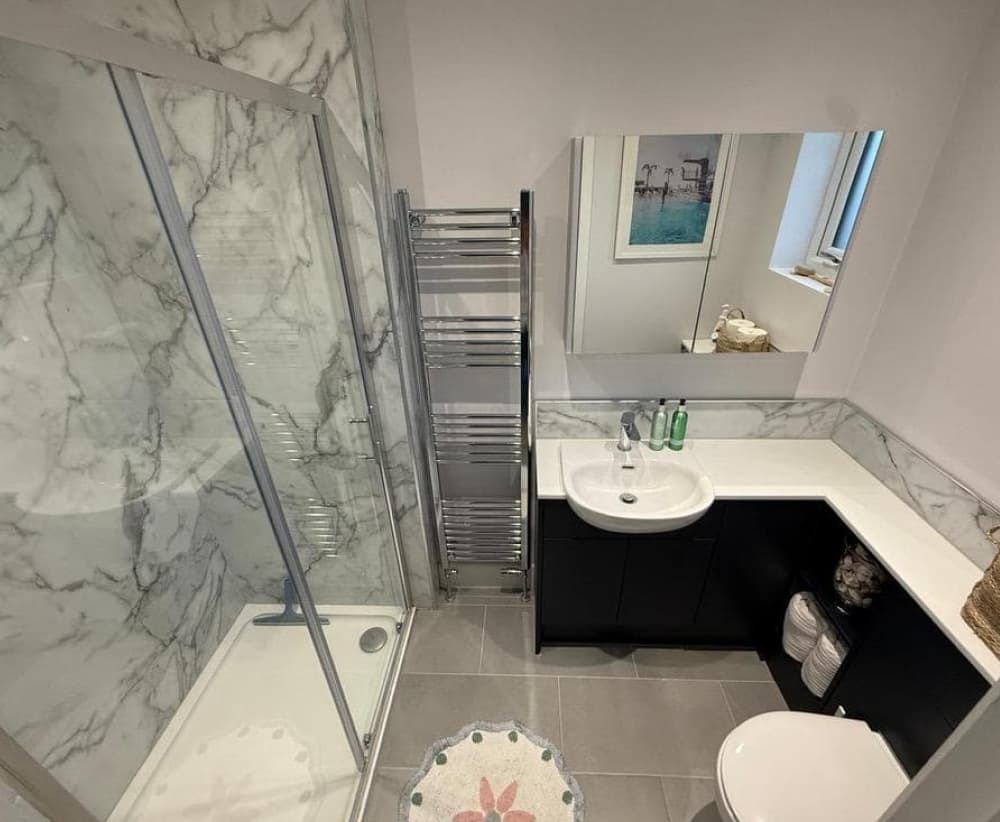
Bathroom Upgrades
A full renovation of an existing bathroom rarely delivers the kind of return kitchens or extensions do – but an outdated, worn-out one can actively put buyers off. For many homeowners, the question isn’t really will this add value? It’s how much value am I losing by not doing it?
The picture changes when you’re adding a bathroom rather than refreshing one. A three-bed house with only one bathroom is at a clear disadvantage against similar properties with two. Adding an en-suite to a master bedroom, or squeezing a downstairs cloakroom in under the stairs, can shift how your home is perceived – and priced – by the next buyer.
What a bathroom upgrade typically costs:
- Basic refresh (same layout, new suite, fresh tiling): £3,000–£5,000
- Mid-range full renovation (quality fittings, floor-to-ceiling tiling, underfloor heating): £5,500–£9,000
- High-end bathroom or wet room conversion: £10,000–£20,000+
- Downstairs cloakroom/WC (using existing space): £2,500–£4,500
- En-suite added to an existing bedroom (space already available): £3,500–£7,000
- New bathroom requiring extension or loft conversion: £25,000–£50,000+ (structural costs included)
Realistic Value Uplift: 2–5% for refreshing an existing bathroom; 3–7% for adding an extra one. A well-executed renovation typically returns 50–70% of its cost – but the real gain is often preventing value loss, since a dated bathroom depresses offers.
BCY Note: Don’t remove your only bath. Walk-in showers look fantastic, and they’re often the right call for an en-suite – but if it’s the only bath in the house, keep it. Families with young children will walk away from a bath-free property, and you’ll feel that in your valuation.
Garage Conversions
If you’ve got an integral or attached garage that’s mostly storing boxes, bikes, and the odd thing you’ve been meaning to take to the tip, converting it is often the best-value move on this list.
You’re working inside an existing structure – walls, roof, and foundations are already there – which means you’re paying for a fit-out rather than a building project. Done properly, the result is a usable room for a fraction of what an extension would cost.
What a garage conversion typically costs:
- Integral or attached single garage (standard spec, ~16m²): £10,000–£20,000
- Detached single garage (requires utilities running from the main house): £15,000–£25,000
- Double garage conversion (30m²+, depending on use): £20,000–£35,000
- Conversion into a bedroom with en-suite or kitchenette: £20,000–£40,000+
- Granny annex or self-contained unit: £25,000–£55,000
Realistic Value Uplift: 10–20% on the property’s market value for a well-executed garage conversion, though some sources put the range at 5–15% to reflect the parking trade-off. The upper end is achievable when you’re adding a bedroom (particularly with an en-suite) to a house that was short on them.
Energy-Efficiency Improvements (EPC-Boosting Upgrades)
This is the category that’s moved the most in the last couple of years. Energy efficiency used to be a “nice-to-have” – something buyers noted but didn’t really pay for. That’s changing, and faster in 2026 than ever.
Two things are driving it. The first is that the UK government confirmed in January 2026 that rental properties must reach EPC band C by October 2030, backed by a £10,000 cost cap. Landlords are already acting, and owner-occupiers are increasingly aware that a low EPC rating is becoming a resale liability.
The second is that a new multi-metric EPC methodology launches in late 2026, assessing fabric performance, heating systems, and smart-readiness rather than a single score – which means some properties will see their band shift even without any physical work being done.
What energy-efficiency improvements typically cost:
- Loft insulation (top-up to 270mm): £400-£900
- Cavity wall insulation: £600–£1,500 (typical semi-detached)
- Solid wall insulation (external, older properties): £8,000-£15,000+
- Double glazing (full-house replacement): £5,000–£15,000 depending on property size
- Triple glazing: 15-25% more than double
- New A-rated combi boiler: £2,500-£4,000 installed
- Air source heat pump: £10,000-£15,000 (before Boiler Upgrade Scheme grant of £7,500)
- Solar PV system (4–5kWp): £8,000-£11,000 after 0% VAT
- Smart heating controls: £200-£500
- Full upgrade package to take a D/E-rated home to C: £7,500-£12,000 on average
Realistic Value Uplift: 1–5% for most homes moving from D to C; up to 10%+ when moving from F/G to C or better. More importantly, failing to act is starting to come with its own cost – lower EPC-rated properties are increasingly listed at discounts to reflect the remediation buyers face.
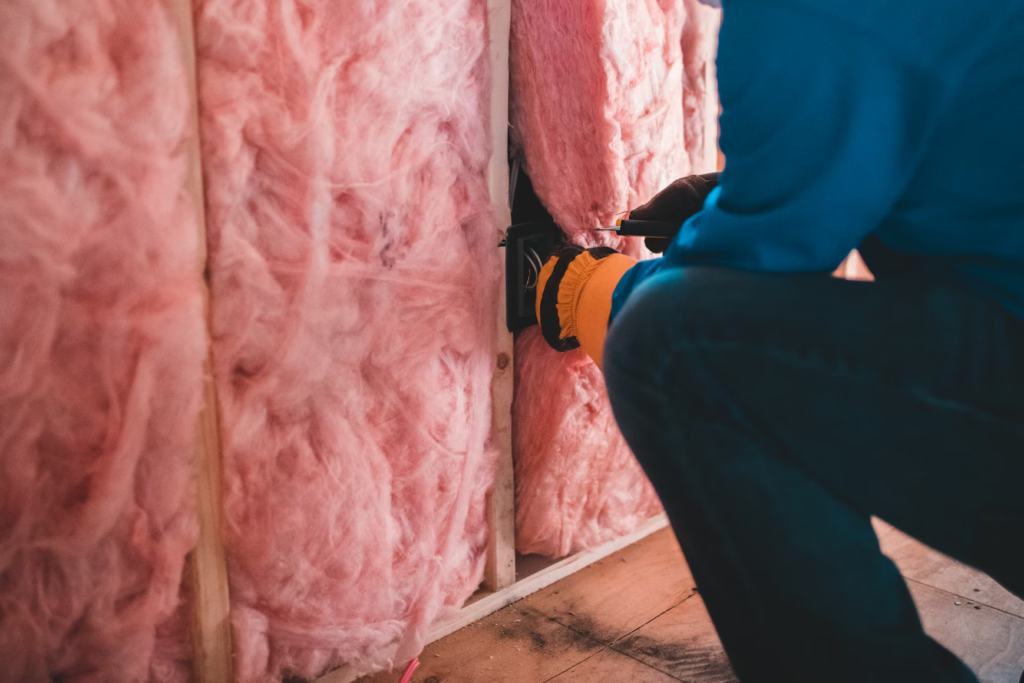
BCY Note: The sequence of work matters enormously. Too many homeowners throw money at the shiniest upgrade – solar panels, new boiler – before addressing the unglamorous stuff that actually shifts the EPC: insulation, draught-proofing, heating controls.
A warm home is a well-insulated home first, and an efficiently heated one second. Installing a heat pump in a poorly insulated house is expensive and often disappointing – insulate properly first, then size the heating system to the result.
Renovation Costs vs. Value: A Quick Reference Table
| Renovation | Typical 2026 Cost (UK) | Realistic Value Uplift | Payback Strength |
| Loft conversion (dormer) | £50,000–£75,000 | 10–20%+ | Strong – often exceeds cost |
| Kitchen renovation (mid-range) | £12,000–£25,000 | 4–10% | Moderate to strong |
| Single-storey rear extension | £55,000–£80,000 | 10–20% | Strong – typically £1.20–£1.50 returned per £1 spent |
| Double-storey extension | £100,000–£160,000 | 15–25% | Strong – best cost-per-m² of any extension |
| Adding a second bathroom | £3,500–£7,000 | 3–7% | Strong – especially if going from 1 to 2 |
| Garage conversion | £12,000–£25,000 | 5–20% | Strong – if parking loss doesn’t hurt locally |
| Full energy efficiency upgrade (D→C) | £7,500–£12,000 | 1–5% + avoids future discount | Moderate – and growing each year |
| Solar PV (4–5kWp) | £8,000–£11,000 | 1–4% + EPC uplift | Moderate – better over longer ownership |
Planning a Renovation in Somerset or the South West?
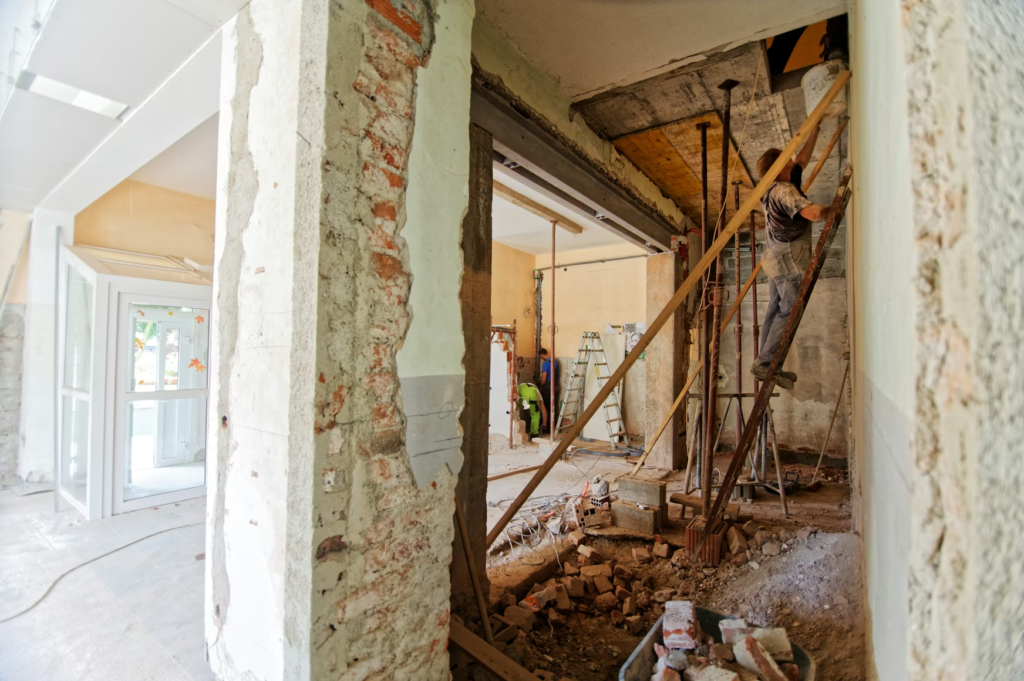
Every property is different, and so is every homeowner’s reason for renovating. A well-planned upgrade in Yeovil might make complete financial sense; the same work on the same house in a different town might not. Local market conditions, ceiling prices, planning context, and the specific character of your property all shape what’s worth doing and what isn’t.
That’s where an honest conversation with an experienced local builder earns its keep. A good one won’t just quote the work – they’ll tell you what they’d do in your position, flag the jobs that aren’t worth it, and help you spot the details that make the difference between a renovation that adds value and one that doesn’t.
At Building Craftsmen, we’ve been doing exactly that for over thirty years. We handle extensions, loft and garage conversions, full renovations, and new builds across Somerset, Dorset, and the wider South West.
If you’re weighing up a renovation and want practical, no-nonsense advice on whether it’s the right call for your home, we’d be happy to talk it through.
Get in touch or request a quote today.
FAQs
Do renovations always add value to a house?
Not always – and this is one of the most important things to understand before you start spending. A house renovation only reliably adds value when three things are true:
- The upgrade addresses something buyers in your area genuinely care about.
- The work is finished to a standard that holds up under a surveyor’s inspection.
- The total spend doesn’t push you past the local ceiling price.
The rule of thumb is this: ask what a typical buyer in your postcode is looking for, and match your spend to what similar properties on your street have sold for recently. Anything beyond that ceiling is being spent for your own enjoyment, not for return.
Does planning permission affect property value?
Yes – and the paperwork matters just as much as the work itself.
When you sell a property that’s had an extension, loft conversion, or other structural work, the buyer’s solicitor will ask for proof that the work was done legally. That means either a planning permission approval, a Lawful Development Certificate (for work done under Permitted Development rights), and crucially a Building Regulations completion certificate for almost all structural projects.
If you can’t produce the paperwork, the transaction often stalls, so it’s important to keep every certificate, approval, and sign-off from day one, and make sure your builder is obtaining the right approvals as the work progresses.
How long should I stay in my home after renovating before selling?
There’s no hard rule, but most surveyors and estate agents suggest staying at least 12 to 24 months after a major renovation before selling – and there are a few reasons why:
- It gives the work time to settle, giving it time to reveal any minor defects.
- It gives the property market time to catch up.
- There are tax considerations. If your property isn’t your main residence, Capital Gains Tax may apply to any uplift on resale.
If you’ve renovated primarily to sell and the work is to a high standard, you don’t necessarily have to wait – but properties that have clearly been flipped often attract lower offers than ones that look well-cared-for.
Can renovations reduce a home’s value?
In rare cases, yes. The most common ways a home renovation actively reduces value are:
- Cutting corners on visible work: uneven brickwork, ill-fitting windows, damp patches, or poor finishing.
- Reducing the bedroom count: knocking two bedrooms into one master suite feels luxurious but often drops the property a whole pricing bracket.
- Removing the only bath: walk-in showers look great, but families with young children will walk away from a property with no bath.
- Overcapitalising: spending far beyond what comparable homes in the area can justify. The uplift is capped by the local ceiling price, not by what you spend.
- Missing paperwork: structural work without Building Regs sign-off or planning approval is a liability, not an asset.